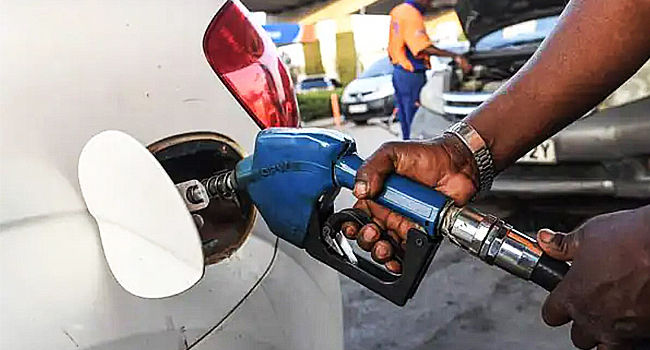
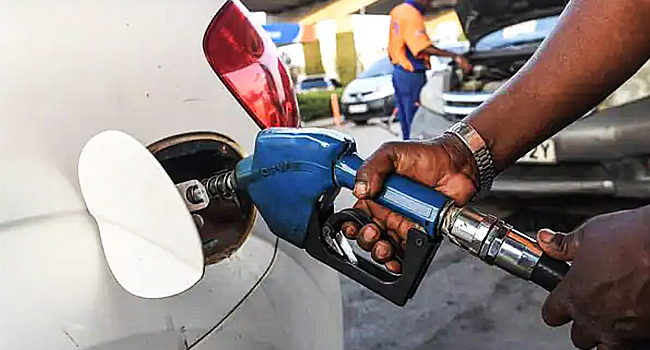
The Petroleum Products Retail Outlets Owners Association of Nigeria (PETROAN) has explained why the recent decrease in the gantry price of fuel by the Dangote Refinery has not trickled down to retail outlets across the country.
Speaking on Channels Television’s The Morning Brief on Wednesday, the President of PETROAN, Billy Gilly-Harry, said that local fuel pricing is shaped by multiple factors.
“Prices reflecting are dependent on availability, cost, and preparing the particular petroleum to be delivered to the people,” he said.
READ ALSO: Dangote Boosts Local Petrol Supplies As Refinery’s Production Hits 700,000b/d
When asked why price increases are felt immediately while decreases take longer, Herry pointed to the realities of supply management.
“It is mainly affected by whether the producer has additional resources or not at the time. Increases in prices are mainly caused by the need to restock. There must be that advantage pushing the price upward to be able to pay for new supplies,” he explained.
On whether existing stock must be exhausted before prices can drop, the PETROAN president acknowledged that this is generally the case.
“That’s the basic idea. But in petroleum, a mixture is involved, and loss is taken, though not in a way that affects the capital needed to restock,” he noted.
Adding to the discussion, an energy analyst, Olabode Sowunmi, highlighted the broader complexities behind Nigeria’s fuel pricing.
He stressed that while the global price of crude oil is often seen as a major determinant, its influence is not always direct in the Nigerian context.
“Global price of crude oil is a factor but a factor internationally and not necessarily in Nigeria,” he stated.
Sowunmi pointed to the example of Dangote Refinery, which, as a primary supplier of gas and some retail products, has agreements to allocate a percentage of his crude for Nigeria at a fixed price pegged in naira.
This arrangement, he noted, means that local pricing is not always tied to international fluctuations.
“So basically the issue will have to be from the point of refinery to where it touches the final person,” he said.
Sowunmi further clarified that international prices would only play a dominant role if global markets had a predominant impact on Nigeria’s supply chain.
“So basically our cost issues in terms of reflecting to the final person deal with our own logistics rather than the geopolitics that is taking place at the moment,” he stated.
When asked why internal logistics seem to matter more during price increases than decreases, Sowunmi acknowledged that the reasons vary but ultimately depend on the seller.
“There could be various reasons, but it all comes down to the seller,” he said, underscoring the role of market behavior in shaping consumer experiences.
Despite these challenges, Herry emphasised the broader mission of the sector.
“Petroleum is concerned with making Nigeria better,” he added.
Ex-Depot Price Reduction
The Dangote Petroleum Refinery & Petrochemicals had two weeks ago announced a reduction in the ex-depot prices of Premium Motor Spirit (PMS), popularly known as petrol, and Automotive Gas Oil (AGO), commonly referred to as diesel.
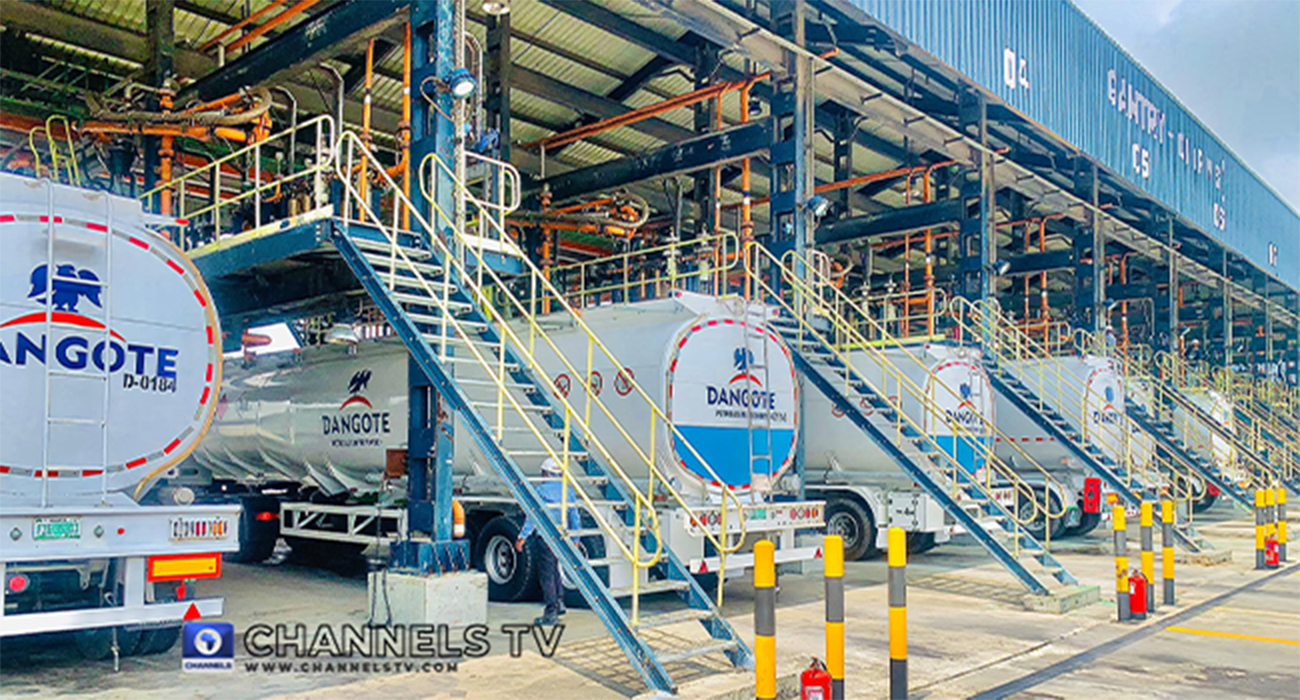
The company said that the latest adjustment underscored its commitment to making refined petroleum products more affordable and supporting economic activities across the country.
According to the statement by the company, the ex-depot price of PMS was reduced to ₦1,250 per litre from ₦1,275 per litre, while the price of AGO was cut to ₦1,700 per litre from ₦1,800 per litre.
“The price review comes amid the refinery’s continued efforts to improve supply efficiency, deepen domestic refining, and provide cost relief to consumers and businesses that depend heavily on petroleum products for transportation, power generation and industrial operations,” it revealed in the statement.