
As Nigerians continue to navigate severe economic pressure following fuel subsidy removal and exchange rate unification, policy discussions have centred largely on statutory minimum wage reviews. However, SPM Professionals Chief Economist Paul Alaje cautions that continuous salary hikes are an incomplete fix for a deeply structural cost-of-living crisis.
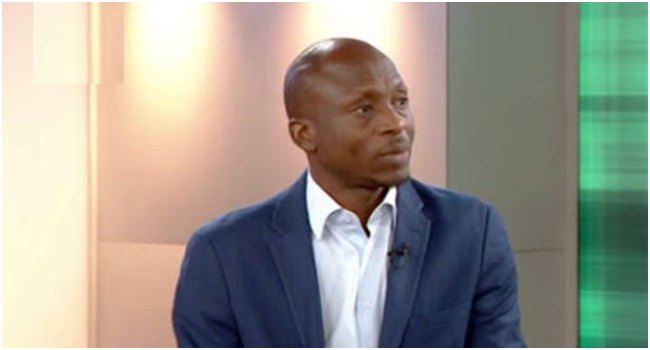
Appearing on Channels Television’s Lunchtime Politics, Alaje highlighted a glaring disparity: formal wage increases reach only a tiny fraction of the overall workforce.
“No amount of money will be enough because Labour is not chasing real income,” Alaje argued during the show. “When you look at the numbers, public sector workers on government payrolls account for under 5% of the entire national population. If you double or triple their wages, what happens to the remaining 95% working in the informal sector, agriculture, or small businesses?”
While federal and state officials maintain that wage increases are vital to provide immediate purchasing power to formal workers, economists point out that household essentials—including housing, food staples, and daily commuting—have surged by 300% to 400%. Without tackling these underlying structural expenses, nominal wage gains are rapidly eroded by inflation.
The Mass Transit Imperative
To protect purchasing power across all demographics, Alaje is asking authorities to pivot towards direct structural interventions, particularly in urban transport.
“Reorganising mass transit across seven key commercial states—including Lagos, Abuja, Rivers, Kano, and Kaduna—would immediately tame the cost-of-living crisis,” he said. “Transport feeds directly into every single item in the CPI basket, from the food brought to urban markets to the cost of getting to work every day. If state governments build targeted rail and road transit solutions, commuting expenses for workers drop instantly.”
Nigeria has seen recurring attempts to address transport inflation across these major hubs. Beyond the flagship Lagos-Ibadan rail corridor, Abuja’s rehabilitated light rail network, and state-level Compressed Natural Gas (CNG) bus initiatives, sub-national governments in other commercial centres have launched major transit programmes. Kaduna State recently flagged off its 24-kilometre Kaduna Bus Rapid Transit (KBRT) Project, Kano previously invested billions into high-capacity urban fleet deployments under the Kanawa Bus Service, and Rivers State introduced subsidised mass transit schemes across the Port Harcourt metropolis.
However, implementation delays, high maintenance costs, operational inefficiencies, and funding bottlenecks have prevented these initiatives from fully absorbing commuter demand or driving down long-term transport costs.
To achieve lasting relief, Alaje emphasises that capital allocations from subsidy savings must be consistently routed into completion and expansion of critical infrastructure.
STAY INFORMED
NAIJA CONNECT
Every week, discover the stories of progress at home and excellence around the world.
Channels Television
WhatsApp Channel · in your Updates tab
Join Our Whatsapp Channel
Channels Television
t.me/channelstvnews
Join Our Telegram Channel