Follow ARISE News on GoogleAdd us as a preferred source to see more of our stories in Google
Follow us on Google
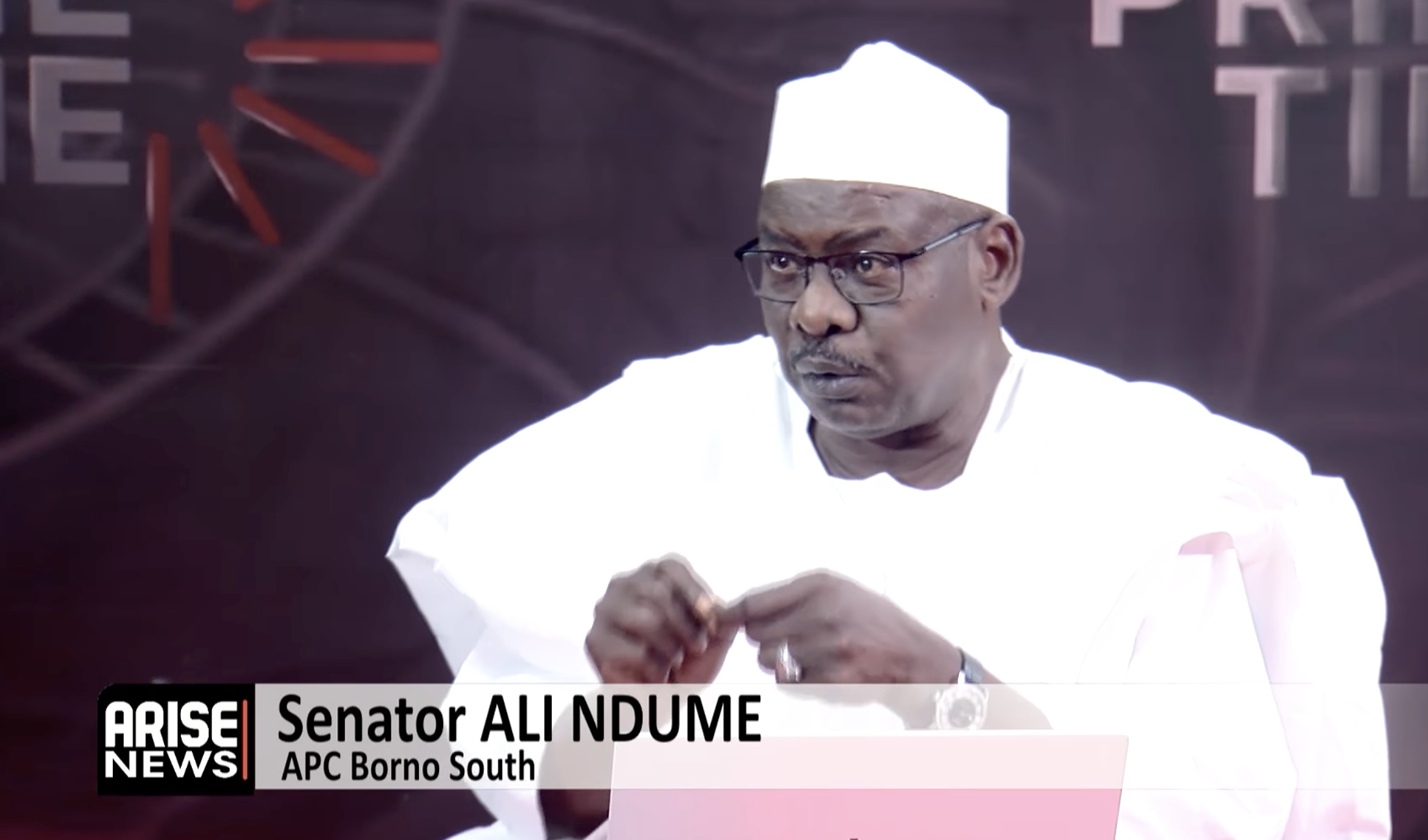
Senator Ali Ndume has warned that rising political violence and intolerance could threaten Nigeria’s 2027 elections, urging authorities to act before the situation escalates.
Speaking in an interview with ARISE NEWS on Wednesday, APC Senator Ali Ndume, who represents Borno South, warned that attacks on political leaders and their supporters could undermine the 2027 elections. He spoke after the Senate considered a motion sponsored by Senator Abdul Ningi calling for investigations and prosecution of those behind electoral violence.
Ndume, who seconded the motion, said the Senate was concerned about reported attacks involving President Bola Tinubu’s convoy, Peter Obi and former Vice-President Atiku Abubakar.
“So that we may nip it in the bud,” he said, warning that political violence could spread if left unchecked.
“The problem is like fire. If it catches, you don’t know why it will stop, and you may have problem putting it off,” he added.
Ndume said anyone who sponsors political violence should also be held accountable.
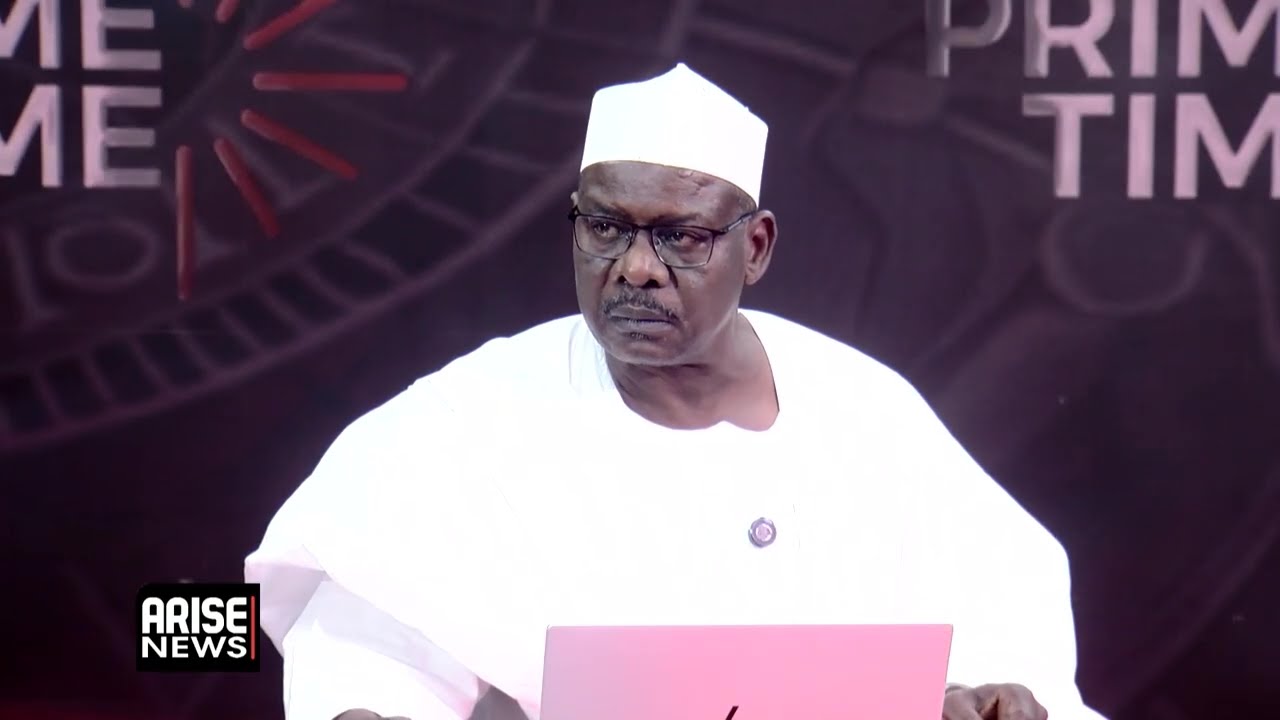
“If, for example, I sponsored, confirmed, evidently sponsored that group to carry out that kind of criminality, then I should be held responsible too,” he said.
He called for special courts to handle electoral violence, arguing that delayed justice weakens accountability.
“The problem with our judicial system is justice has been excessively delayed,” he said.
He also advocated banning weapons such as knives and sticks during political campaigns, with offenders prosecuted.
On the security response to the attack on Tinubu’s convoy, Ndume commended security agencies but argued that the President’s protection could not be compared with that of ordinary citizens.
“You cannot compare that with the security of Mr President,” he said.
However, he acknowledged government’s constitutional responsibility to protect citizens, citing Section 14(2)(b) of the Constitution.
Ndume also criticised governors accused of denying opposition parties access to public facilities.
“I’m not only surprised, but I’m disappointed,” he said, describing the practice as “kind of cheap things.”
He linked youth involvement in political violence to widespread unemployment and frustration.
“Violence, by youth and children, is trying to take over the political scene,” he said.
He warned of “a high level of frustration, anger among our youth, especially with the high level of unemployment.”
Reflecting on his remarks at a recent Nnamdi Azikiwe lecture, Ndume admitted that he was part of the political establishment’s failure.
Asked if he was indicting himself, he replied: “Yes. I’m part of the failure. I cannot deny that.”
“If I had known that this is how this politics is going to turn out to be, I wouldn’t have joined it,” he said, adding, “I don’t run away from a fight.”
He described Nigeria’s democracy as increasingly serving a privileged few.
“Government of some people, by some people, and for some people,” he said.
Ndume argued that political power had become concentrated among influential groups, adding that the problem had continued across successive administrations.
“Even within the cycle, they are cabals. That’s the word introduced in Nigerian politics. They are cabals, you know?” he said.
He also condemned the accumulation of unexplained wealth by public officials, describing some leaders as “kleptocrats”.
“The level at which people are stealing public money now, huh? So embarrassing,” he said.
Citing the example of an unemployed child receiving a Lamborghini worth hundreds of millions of naira, Ndume questioned how some public figures acquired their wealth.
He criticised the culture of impunity surrounding corruption, arguing that accountability must extend to those who benefit from questionable wealth.
Catherine Okonkwo.
Follow us on: