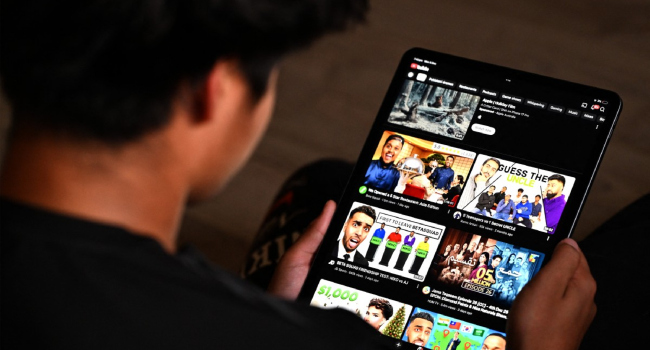
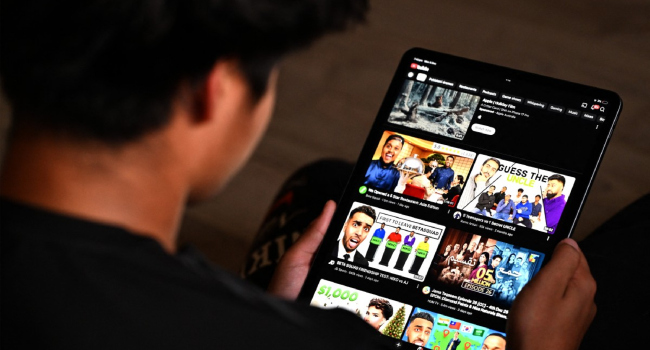
Australia will ban young teenagers from social media on December 10, 2025, launching a world-first crackdown designed to unglue children from addictive scrolling on the likes of Facebook, Instagram and TikTok.
Mexico is considering implementing an Australia-style social media restriction for minors, Public Education Secretary Mario Delgado told AFP.
Several nations are toughening up age restrictions on social media platforms as concerns grow over excessive screen time for children and their exposure to harmful content online.
Delgado said the government had launched consultations with a range of civil society groups, including teachers and parent representatives, to develop regulatory proposals by June.
Australia has since December required TikTok, YouTube, Snapchat, and other top social media services to remove accounts held by under-16s, or face heavy fines.
French lawmakers in January approved a social media ban for under-15s, although it still needs to be ratified by the Senate.
Britain, Spain, Denmark, India, Indonesia, and Portugal are studying similar restrictions.
“The state has the responsibility for the guardianship and education of minors. And that’s where we should think about setting certain limits,” Delgado told AFP.
“What Meta, Facebook, and TikTok are interested in is having followers, and there are no filters on content that could affect children’s emotional health,” he said, citing their exposure to violent or pornographic content and cyberbullying.
TikTok, in a statement to AFP, said it has made efforts to prevent children from using its platform and that children under 13 should not be on social media.
TikTok and Meta, parent company of Facebook and Instagram, require users to be at least 13 years old, and have automatic safety and privacy settings for teenagers between 13 and 17 years old.
That hasn’t stemmed criticism over implementation of these controls.
Responsible, Critical And Conscious’
Delgado insists that any ban needed to come “from the grassroots, from the lived experiences of parents, different communities, and teachers.”
“We want them to tell us what these limits should be and how to regulate them,” he stressed.
He added that tech companies would be given a voice in the debate, which aims to promote a “responsible, critical, and conscious” digital culture, rather than prohibit.
READ ALSO: Venezuela Gets New Oil Minister
Australian officials say that country’s ban has already reduced cyberbullying and increased student concentration in schools.
“I personally like the Australian model,” Delgado said, while adding that, as the father of a teenager, he understood the challenges of curbing children’s social media use.
He added that, for now, Latin America’s second-most populous country after Brazil was not considering banning mobile devices in public schools.
Brazil and Chile last year joined a growing number of nations that have banned non-emergency smartphone use by children in schools.
AFP