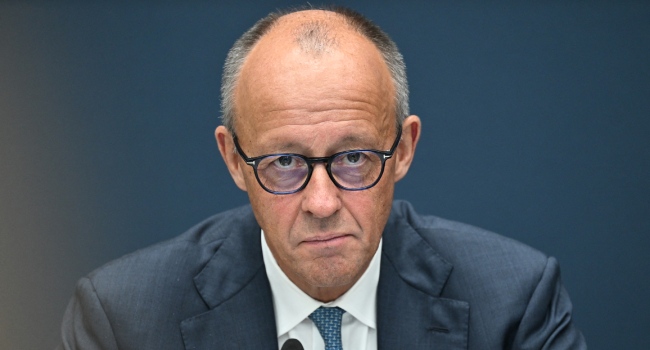

Germany said Wednesday that it would cut electricity taxes and introduce a temporary fuel price cap to help households and businesses struggling with the energy shock sparked by the US war against Iran.
Chancellor Friedrich Merz’s conservatives and their centre-left coalition partners announced an agreement on the measures after marathon talks that ran through the night.
“Intensive talks have paid off,” said Merz, adding that the government was fulfilling its promise to lower prices.
“Small businesses and families in particular will feel the relief,” he said.
The agreement comes after long-running tensions in the coalition, consisting of the CDU/CSU bloc and the centre-left SPD, over how to tackle a range of pressing issues including pension to healthcare reforms.
Like elsewhere, energy costs have surged in Germany since the outbreak of the US-Israeli war against Iran and its disruptions to oil and gas shipments through the Strait of Hormuz.
The electricity tax cut will initially be in place from January to December next year, the government said in a statement.
For private households, the reduction amounts to about two cents per kilowatt hour, taking it to just 0.1 cents.
The average German household consumed around 2,400 kilowatt hours of electricity last year, according to Germany’s BDEW association of energy and water utilities.
The average saving should thus amount to about 50 euros ($54) annually.
For businesses, a typical hairdressing salon would save hundreds of euros a year on its electricity bill while a supermarket would enjoy relief of thousands of euros annually, according to the government.
The government had already pledged to cut electricity taxes for households when it took power last year but had so far introduced only a reduction for some heavy industries, as the coalition struggled to agree on how to fund the measure.
The coalition also said that fuel prices would be capped from January, initially for three months, to provide relief for motorists.
The government had already introduced fuel subsidies to lower prices but they are set to expire at the end of this year.
“The fuel price cap is explicitly a crisis-related, and not a permanent, measure,” the government said.
AFP
STAY INFORMED
NAIJA CONNECT
Every week, discover the stories of progress at home and excellence around the world.
Channels Television
Get our top curated news and video highlights
Follow on WhatsApp
Channels Television
Join our official Telegram feed for real-time news updates
Join on Telegram