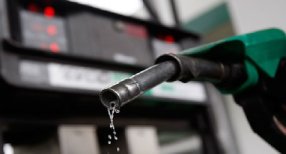
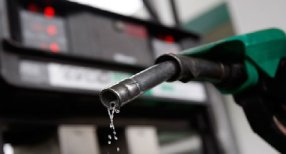
Bangladesh raised fuel prices on Monday, six weeks after the previous increase, as the government seeks to ease pressure on state finances affected by the conflict in the Middle East.
The country imports about 95 per cent of its fuel requirements, with most coming from the Middle East.
Kerosene was raised to 135 taka ($1.09) per litre, up from 130, while petrol rose to 140 taka ($1.14) from 135. Diesel was unchanged.
Authorities are also considering another increase in electricity tariffs.
The latest fuel-price increase is likely to add further pressure to the cost of essential goods in a country that has struggled with persistently high inflation over the past several years.
After a slight decline, inflation stood at 9.04 per cent in April.
Dhaka in March said it was seeking loans of around $2 billion from multilateral donors to tackle energy security concerns sparked by the surging fuel prices caused by the war in Iran.
In May, the International Monetary Fund said it was in negotiations for a new assistance programme at Dhaka’s request.
Bangladesh is already in the middle of a $5.7 billion IMF programme, which began in 2023 and was due to run for four years.
While Dhaka and other major cities have largely avoided frequent power outages, rural areas experienced disruptions.
Electricity demand typically peaks during the current summer season, when residents who can afford turn on air conditioning, with temperatures hitting 35 °C in Dhaka.
READ ALSO: US, Iran Exchange Fire As Negotiations Stall
Alongside the price adjustments, Bangladesh has been pursuing a range of measures to strengthen energy security, including inviting bids for offshore exploration for natural gas.
Bangladesh’s first nuclear power plant at Ruppur is nearing operational readiness, with the first phase of uranium fuel loading already completed.
AFP