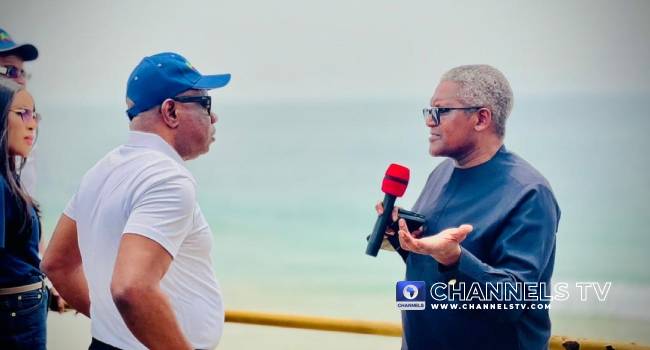
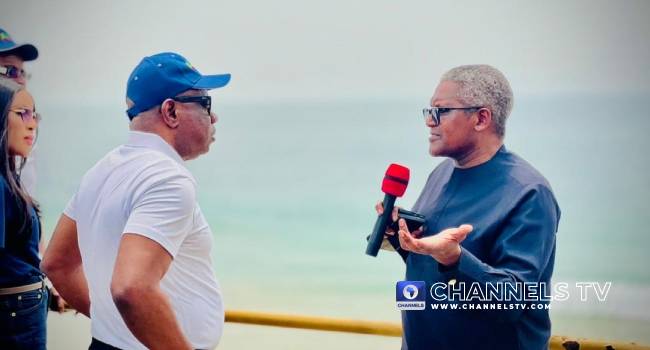
Africa’s richest industrialist, Aliko Dangote, on Saturday hosted the Group Chief Executive Officer of the Nigerian National Petroleum Company Limited, Bayo Ojulari, on a facility tour of the Dangote Refinery, where officials outlined major upgrades to the refinery’s marine and port infrastructure.
The technical briefing, held at the refinery’s harbour, was partly led by the Head of Port Infrastructure and Marine Operations, Captain Satendra Singh Rana, who detailed plans aimed at boosting export capacity and positioning Nigeria as a regional energy logistics hub.
Rana disclosed that the company is expanding its urea fertiliser facility from three million tonnes per annum to nine million tonnes, a scale he said would make it the largest fertiliser plant globally.

The port lead explained that the loading process, currently handled by trucks transporting about 30 tonnes per trip, will transition to a fully automated conveyor system linking the fertiliser plant directly to the jetty to improve efficiency.
According to him, the expansion will be supported by an extension of the harbour, with plans to construct four additional tanker jetties to handle products including liquefied petroleum gas, gasoline, gas oil, and aviation fuel.
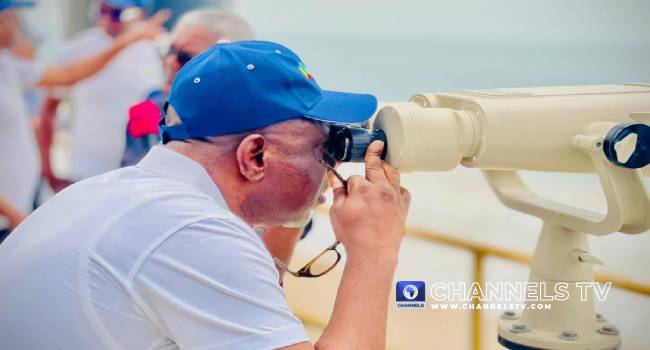
The upgraded infrastructure is expected to accommodate vessels of up to 250 metres in length, equivalent to about 100,000 deadweight tonnes, while also supporting smaller ships serving domestic distribution.
He added that the development is designed to strengthen Nigeria’s ambition to become a bunkering hub in West Africa, a role currently dominated by other regional ports.
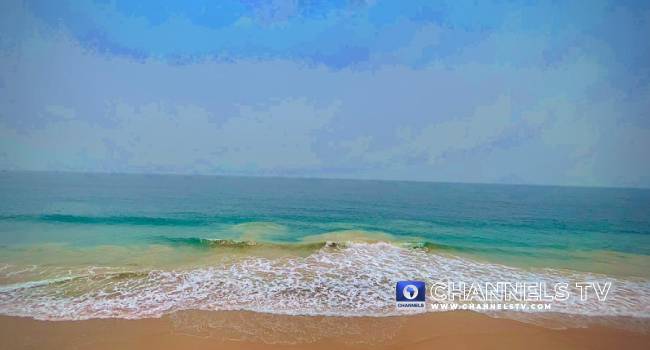
Rana further explained that the harbour, which presently operates at a depth of about nine metres and handles roughly 33,000 tonnes per vessel, is being deepened to 14.5 metres, enabling the loading of up to 60,000 tonnes per ship for urea exports and allowing larger tankers to berth.
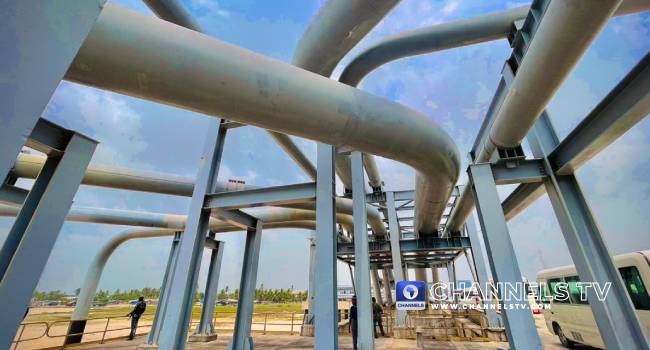
Highlighting the engineering features of the port, the marine operations chief said the facility uses what he described as the world’s only sand-built breakwater, a design he noted is more sustainable, faster to construct, and significantly cheaper than conventional rock structures.
He added that the innovation has attracted academic interest, with universities studying the model for potential application in future port projects.
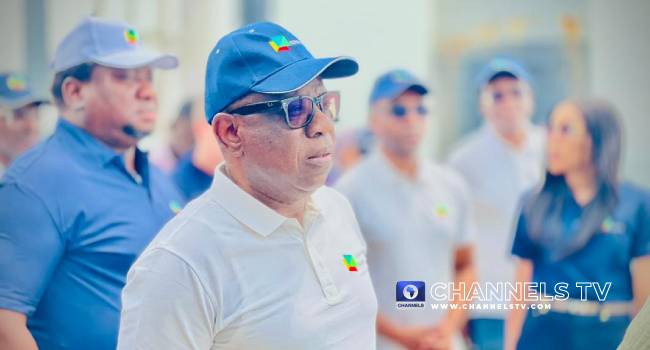
During the session, Dangote provided additional context on the refinery’s long-term export and logistics strategy, while Ojulari engaged officials with questions on capacity, operations, and future scalability.
The visit comes as the Dangote Refinery continues to ramp up operations and expand supporting infrastructure.