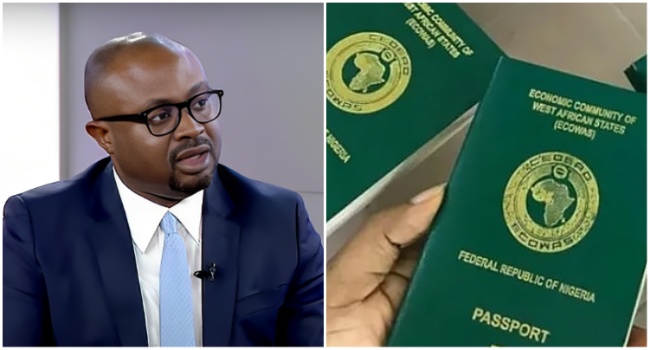
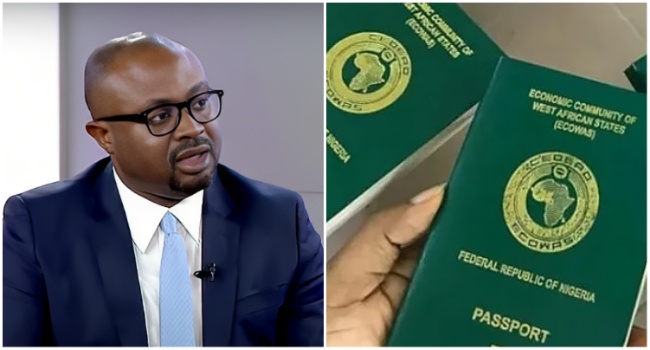
The Minister of Interior, Dr. Olubunmi Tunji-Ojo, has directed the Nigeria Immigration Service (NIS) to immediately withdraw and deactivate passports of Nigerians who have renounced their citizenship.
He, however, clarified that the directive applied only to Nigerians whose requests for renunciation had been formally approved by President Bola Tinubu.
The minister maintained that the Ministry of Interior, saddled with the responsibility of citizenship integrity, derives the power from the provisions of subsections (1) and (2) of Section 29 of the 1999 Constitution (as amended), which states that: “(1) Any citizen of Nigeria of full age who wishes to renounce his Nigerian citizenship shall make a declaration in the prescribed manner for the renunciation, and (2) The President shall cause the declaration made under subsection (1) of this section to be registered and upon such registration, the person who made the declaration shall cease to be a citizen of Nigeria”.
Tunji-Ojo, in a statement by his media aide, Alao Babatunde, on Friday, added that once a person ceases to be a citizen of Nigeria, he can no longer carry any sovereign document of Nigeria, including the nation’s passport.
READ ALSO: VIDEO: Tunji-Ojo Pays Unscheduled Visit To Abuja Passport Offices, Warns Against Corrupt Practices
The minister further noted that the move was consistent with the passport and visa reforms that the ministry has undertaken within the past few years.
“We will continue to strengthen systems that secure Nigeria’s borders, prevent identity fraud, preserve the sanctity of Nigerian citizenship, and facilitate legitimate travel while preventing unauthorised or ineligible access,” the minister was quoted as saying.
The latest move by the ministry came nearly a month after the Federal Government and the United Kingdom signed agreements on migration partnership, organised immigration crime, and border security.
The agreements came during President Bola Ahmed Tinubu’s state visit to the UK in March.
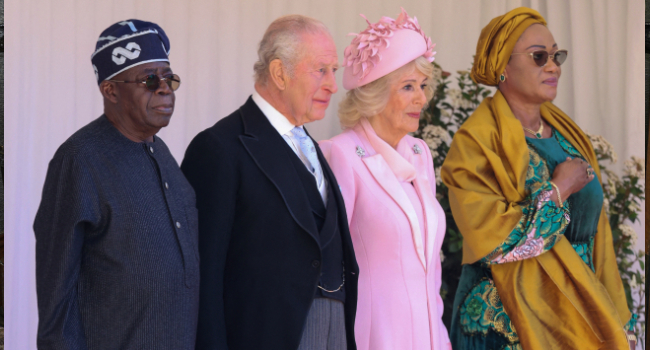
Tunji-Ojo had been quoted as saying that the deals reflected Nigeria’s push for a transparent, rules-based migration system that is safe, orderly, and mutually beneficial.
He added that they would help tackle “abuse of legal pathways” while strengthening border control.
According to him, the MoUs were also expected to enhance trade and ease business mobility, supporting the Federal Government’s broader economic ambitions.