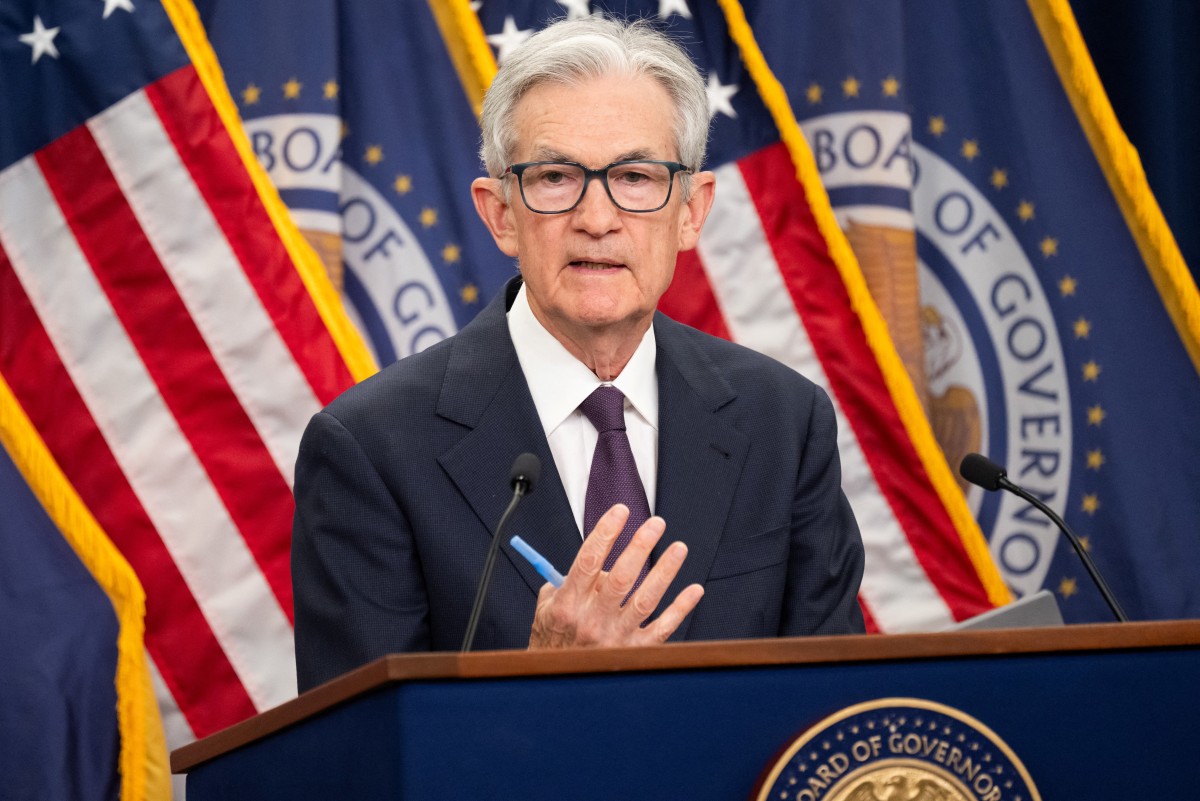

The US Federal Reserve opened the second day of its key policy gathering Wednesday, with the central bank widely expected to keep interest rates unchanged—defying President Donald Trump’s calls for more cuts.
The rate-setting Federal Open Market Committee meeting began at 9am Eastern Time (1400 GMT) as scheduled, a Fed spokesperson said.
The central bank has lowered rates in each of its last three policy meetings—bringing them to a range between 3.50 per cent and 3.75 per cent—as officials fretted about the cooling jobs market.
But solid GDP growth, relatively low unemployment, and stubborn inflation have given them reason to shift into wait-and-see mode.
The lack of urgency, however, could put the central bank again at odds with Trump, who has repeatedly called for large rate reductions.
Trump has sharply escalated pressure on the Fed since returning to the White House a year ago, in moves that officials warn could threaten its independence from politics.
The president has been seeking to oust Fed Governor Lisa Cook over mortgage fraud allegations, while his administration launched an investigation into Chairman Jerome Powell as well over the bank’s headquarters renovation.
In a rare rebuke this month, Powell criticised the threat of criminal charges against him, saying this was about whether monetary policy would be “directed by political pressure or intimidation”.
‘Less Dissent’
“While the Fed has been politically pressured to cut rates, it is not pressed by the data,” said EY-Parthenon chief economist Gregory Daco.
Officials appear to have converged on a near-term halt in rate reductions, with their debate now centring around what conditions justify further cuts — and how quickly these should take place.
“The hurdle for additional near-term cuts has risen,” Daco said.
Officials will be looking for “clearer, more durable evidence of disinflation” or renewed deterioration in the labour market before lowering rates again, he added.
READ ALSO: Asian Equities Edge Up, Dollar Slides As US Fed Reserve Subpoenaed
The Fed has seen deepening divides over interest rates, but Dan North of Allianz Trade North America told AFP that he expects “less dissent” in Wednesday’s decision.
Fed Governor Stephen Miran, appointed by Trump last year to fill a term lasting until late January, is likely to again push for lower levels, North said.
But it is unclear if others on the board of governors, like Michelle Bowman and Christopher Waller, would join him.
Financial markets generally expect the Fed to continue keeping rates unchanged until its June meeting, according to CME FedWatch.
Looking ahead, all eyes are on how Trump’s nominee to succeed Powell—whose chairmanship of the bank ends in May—shapes Fed policy.
“We think inflation peaks and starts to turn lower (this year), but also importantly, we think a new Fed chair would be more open to helping to navigate lower interest rates,” said Nationwide chief economist Kathy Bostjancic.
Credibility Issues
One issue is whether the new chairman can corral the rest of the rate-setting committee into more cuts, ING analysts said in a note.
Outside the Fed, it could be harder for the next chairman to convince investors that the bank will continue pursuing its mandate of low and stable inflation and maximum employment, independent of political influence, said Michael Strain of the conservative American Enterprise Institute.
Given the way the Trump administration has targeted Powell, Strain added that “establishing credibility will be much more challenging” for Powell’s successor than it has been for previous Fed chiefs over the last few decades.
Strain, who is AEI’s director of economic policy studies, also cautioned that the Fed may have gone too far in lowering rates last year.
He warned that the labour market might be stronger than officials think, while there remains a risk that inflation accelerates again.
“Certainly, the Fed should not continue to cut,” he said. “I’m worried the Fed’s going to have to hike in 2026.”
AFP