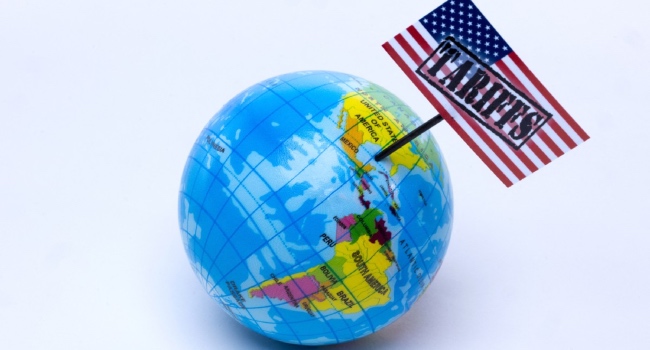
The United States and Ecuador have agreed to reduce tariff rates between the two nations, officials said, as countries seek to navigate US President Donald Trump’s sweeping tariff campaign.
The agreement was signed on Friday in Washington by US Trade Representative Jamieson Greer and Ecuador’s Minister of Production, Foreign Trade and Investment, Luis Alberto Jaramillo, following 10 months of negotiations.
The two countries had unveiled a framework in November to slash tariffs on a number of goods after Trump imposed a range of global reciprocal tariffs last year.
The United States is Ecuador’s leading trade partner. Ecuadoran exports to the United States totaled $6.8 billion in 2025, while imports amounted to $9.1 billion, according to the Central Bank of Ecuador.
Ecuador has pledged to “reduce or eliminate tariffs in key sectors” for the United States, including health products, motor vehicles, and some agricultural products, according to the White House.
Friday’s deal also eliminates customs surcharges levied on products from the South American nation. It includes several other stipulations, including allowing the United States to “export critical minerals and energy resources” from Ecuador.
Ecuador’s President Daniel Noboa, a Trump ally, said Friday the agreement benefits 53 percent of the nation’s non-oil exports and “opens the door for new Ecuadoran products to reach” the market.
“Ecuador had two paths: stay still or go seek better conditions. We chose the second,” Noboa wrote on X.
READ ALSO: Rising Petrol Prices Global, Not Peculiar To Nigeria, Tinubu’s Aide Knocks Obi Over Critique
US Trade Representative Greer said in a statement Friday: “President Trump is unlocking commercially meaningful market access for American farmers and manufacturers, opening Ecuador’s market of over 18 million consumers to U.S. agricultural and industrial exports.”
In February, the US Supreme Court ruled that the president had exceeded his authority in tapping emergency economic powers to impose tariffs on virtually all countries.
AFP