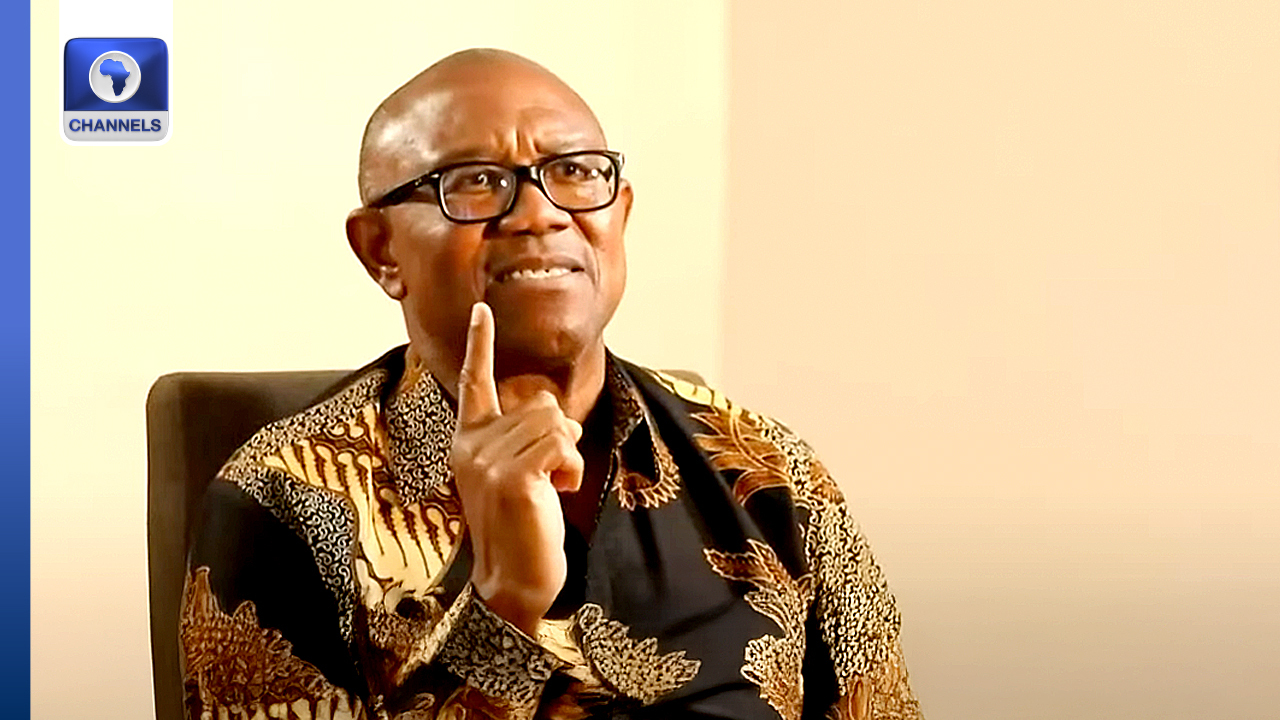
Former Labour Party presidential candidate, Peter Obi, has criticised Nigeria’s tax laws, warning that prosperity cannot be achieved by placing heavier burdens on poor citizens.
Obi, who defected to the African Democratic Congress (ADC) on Wednesday, made his position known in a post on X on Friday, where he questioned the government’s approach to taxation and called for transparency, fairness, and people-centred fiscal policies.
“Prosperity cannot come by taxing poverty. As I travel the world and meet leaders who have transformed their nations, one lesson is clear: lasting economic and social progress begins with national consensus,” Obi wrote.
He argued that transformative leadership is rooted in honesty, adding that governments must be transparent and truthful in order to earn citizens’ trust.
“Government must be transparent and truthful because citizens deserve nothing less from those who lead them. True leaders do not exploit their people to enrich themselves and a few cronies; they build trust, unity, and shared purpose, the foundation of sustainable progress,” he said.
READ ALSO: [Tax Laws] Govt Won’t Debit Your Account, Oyedele Assures Nigerians
Obi maintained that Nigeria’s current taxation framework falls short of these standards, stressing that taxation should operate as a genuine social contract between the government and the people.
“If taxation is to function as a genuine social contract, it must be rooted in sincerity, fairness, and concern for the welfare of the people. Every tax policy should be clearly explained, including its impact on incomes and its expected contribution to national development,” he stated.
According to him, Nigerians are being asked to pay taxes without adequate explanation or visible benefits, a situation he said undermines economic growth and national unity.
Obi also emphasised the importance of empowering small and medium-sized enterprises, noting that economic growth is driven by production rather than excessive taxation.
“You cannot tax your way out of poverty, you must produce your way out of it,” he said, adding that thriving small businesses would naturally expand the tax base by creating jobs and increasing incomes.
The former Anambra State governor further expressed concern over what he described as an ongoing tax fraud controversy, alleging that the new tax law was manipulated.
“For the first time in Nigeria’s history, a tax law has reportedly been forged. The National Assembly itself has admitted that the version gazetted is not what was passed into law,” Obi wrote, warning that citizens were being asked to pay higher taxes under a framework lacking transparency and legitimacy.
He called for a fair, lawful, and people-centred tax system that supports enterprise, protects the vulnerable, and restores public trust.
No Debit, Narration
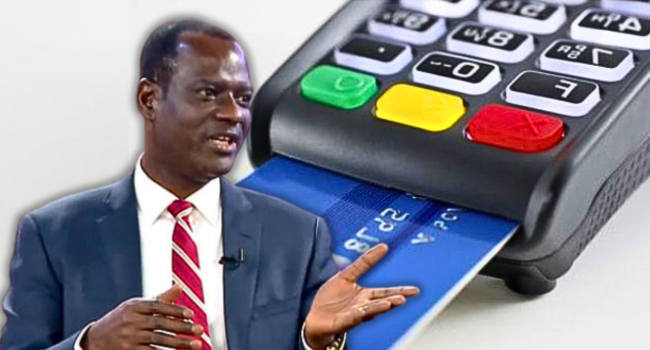
Meanwhile, the Chairman of the Presidential Committee on Fiscal Policy and Tax Reforms, Taiwo Oyedele, has sought to clarify misconceptions surrounding the new tax laws, stating that the reforms will not involve automatic debits from personal bank accounts.
Oyedele explained that individuals will also not be required to provide narrations or explanations for bank transfers, describing the reforms as simple and transparent.
Earlier in the week, President Bola Tinubu reaffirmed that the implementation of the new tax laws would proceed as scheduled, despite criticisms from opposition figures, labour unions, and other groups.
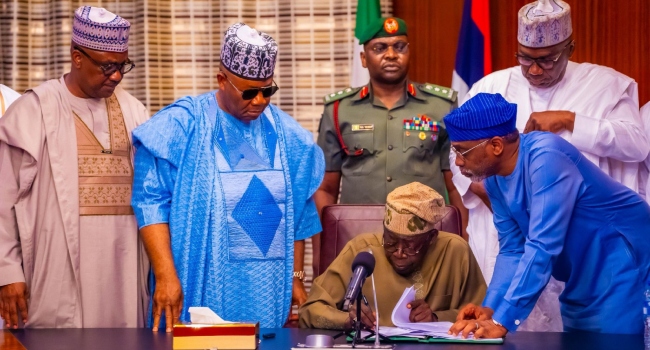
In a statement, the president said the reforms were not intended to increase taxes but to support a structural reset, promote harmonisation, protect citizens’ dignity, and strengthen the social contract.
“The new tax laws, including those that took effect on June 26, 2025, and the remaining acts scheduled to commence on January 1, 2026, will continue as planned,” Tinubu said.
He described the reforms as “a once-in-a-generation opportunity to build a fair, competitive, and robust fiscal foundation for our country” and urged Nigerians to support their implementation.
The tax reforms, signed into law in June 2025, aim to simplify Nigeria’s tax system, broaden the tax base, and protect low-income earners and small businesses.
Key provisions include full personal income tax exemption for individuals earning ₦800,000 or less annually, while higher earners will be taxed at progressive rates capped at 25 per cent.
Small businesses with a turnover of less than ₦100 million are exempt from company income tax, value-added tax, and the newly introduced development levy. Corporate tax for larger firms has been reduced from 30 to 25 per cent.
Value-added tax remains at 7.5 per cent, with exemptions for essential goods and services, while revenue collection is to be centralised under the Nigeria Revenue Service.
Despite ongoing controversies and court challenges, the government has maintained that ordinary citizens will not face new tax burdens, noting that exemptions also apply to minimum wage earners, pensions, gifts, remittances, and diaspora Nigerians.
The reforms, according to the government, are designed to ease tax pressures, support businesses, and promote a fairer and more transparent tax system capable of driving economic growth.