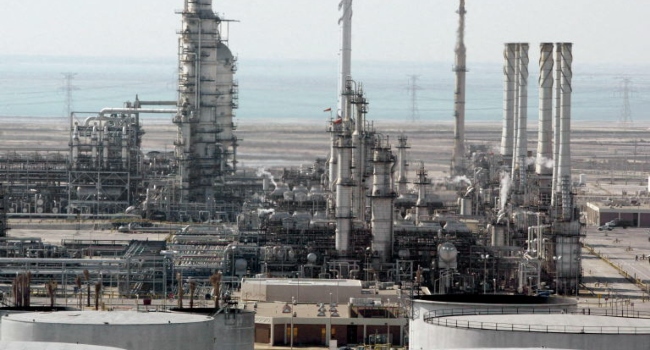
The OPEC+ oil cartel agreed on Sunday to again increase oil production quotas, while warning that repairing energy facilities, such as those damaged in the Middle East war, is “costly and takes a long time”.
For the second month in a row, OPEC+ countries — which include key oil producers Russia and Saudi Arabia, as well as several Gulf countries that have been targets of Iranian airstrikes — agreed to raise quotas by 206,000 barrels per day (bpd) from May.
But OPEC+ warned that damage to energy infrastructure increases oil market volatility, potentially hitting global supplies well into the future.
Its statement also stressed “the critical importance of safeguarding international maritime routes to ensure the uninterrupted flow of energy”.
The text did not mention the Iran war directly, but the conflict — which has roiled global energy markets and caused prices to surge — clearly weighed on the decision.
READ ALSO: Mideast War: Export Cuts Force OPEC Oil Production Down 7.3 Million Barrels/Day
The United States and Israel began striking Iran on February 28, and Tehran has retaliated by striking targets across the region.
In addition to hitting key energy facilities in a number of neighbouring countries, Iran has virtually halted ship traffic through the vital Strait of Hormuz by threatening to attack tankers passing without permission.
That has badly restricted exports from the Gulf region and raised questions about whether oil can reach global markets even if OPEC+ members in the region manage to ramp up production.
Before the war, about a fifth of global oil and liquefied natural gas (LNG) passed through the Strait.
Ukraine has also been striking Russian oil industry facilities as it seeks to fight back against Moscow’s ongoing invasion.
Last month, the eight-strong V8 (Voluntary Eight) group in the OPEC+ cartel also raised production quotas by 206,000 bpd.
On Sunday, the V8 said in a statement that “any actions undermining energy supply security, whether through attacks on infrastructure or disruption of international maritime routes, increase market volatility” and make it more difficult for OPEC+ to manage global prices.
The eight countries — Saudi Arabia, Russia, Iraq, the United Arab Emirates, Kuwait, Kazakhstan, Algeria and Oman — praised members that managed to find alternate export routes to deliver oil, “which have contributed to reducing market volatility”.