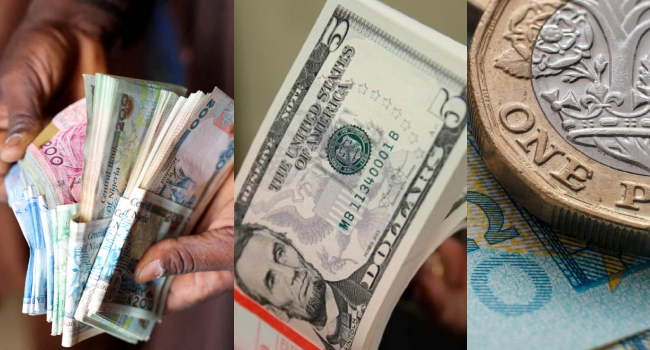
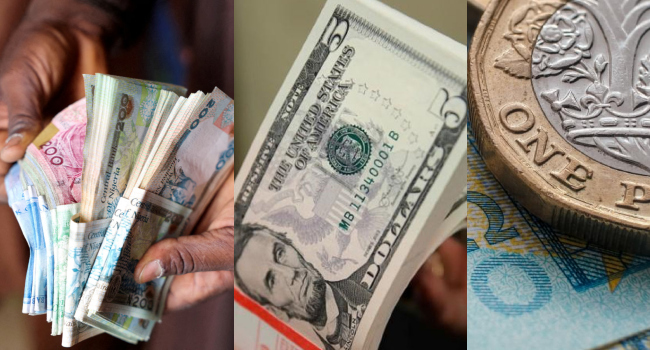
The Naira slightly eased against the US Dollar on Monday, March, 2026, as data from the Nigerian Foreign Exchange Market (NFEM) and unofficial trading channels indicated that the local currency is going through a season of moderate volatility.
The Naira opened at 1,384.74 per dollar during the early morning session, reaching 1,391.83 by mid-morning.
By 5:30 AM WAT, rates had settled at approximately 1,391.58 per dollar, from 1,398.00 recorded at the end of last week, March 6.
In the parallel market, across Lagos, Kano, and Abuja, the dollar is being exchanged at 1,400 and 1,410 per dollar.
Several factors have influenced rates, including Nigeria’s gross foreign reserves, which recently surpassed the 50 billion dollar mark.
The real value of the Naira has become more attractive to both domestic and foreign investors, following a slowdown in headline inflation to 15.10%.
Consistent crude oil production near 1.46 million barrels per day, and stable global oil prices have ensured a steady inflow of foreign exchange into the economy.
The country’s narrowing trade deficit and increased domestic refining capacity also continue to reduce the overall pressure on the foreign exchange market.
On the other hand, real-time data from NFEM showed that the British Pounds and informal trading channels indicate that the local currency is facing renewed pressure from the Sterling.
The development is largely driven by global safe-haven demand and a seasonal rise in international remittance needs.
The Naira opened at 1,846.10 per Pound in the official window.

Trading activity throughout the early morning sessions saw the rate experience moderate volatility, reaching a high of 1,852.28 before climbing further to 1,856.06 by 6:00 AM WAT.
The Central Bank of Nigeria (CBN) continues to support a “willing-buyer-willing-seller” model; the recent 50-basis-point cut in the Monetary Policy Rate (MPR) to 26.5% has led to a minor recalibration of currency values.
Market liquidity remains a focal point for authorised dealers, as the official mean rate for the day is currently trending near 1,851.40.
The currency is currently trading within a range of 1,865 to 1,880 per Pound at the parallel market.
Despite the slight softening of the Naira, the spread between the official and “black market” windows remains historically narrow at approximately 1.3%.
READ ALSO: Global Arms Exports Soar On European Demand
The stability is attributed to the ongoing supply of foreign exchange to Bureau De Change (BDC) operators, mopping up excess retail demand.
Rising geopolitical tensions in the Middle East have pushed investors toward safe-haven assets, with Nigeria’s external reserves remaining a formidable buffer, currently standing near a multi-year high of 50.45 billion dollars.
With headline inflation slowing to 15.10% in January, the real value of the Naira remains more resilient than in 2024 or 2025.
Again, increased domestic refining capacity continues to reduce the overall demand for foreign exchange for petroleum imports, protecting the Naira from some external price shocks.