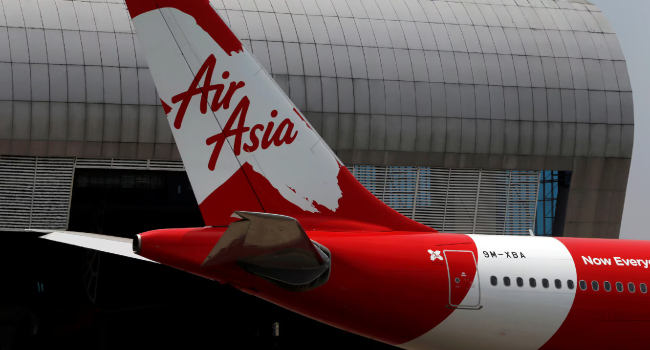
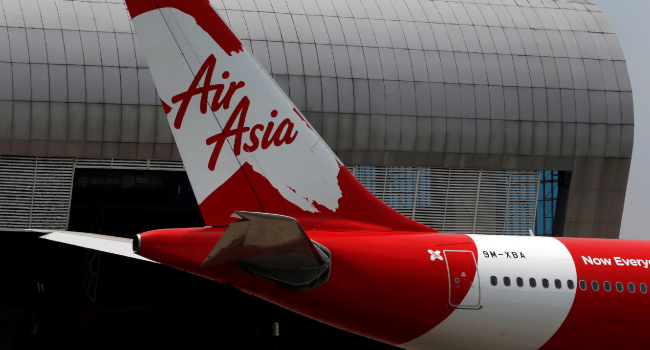
Southeast Asia’s largest low-cost carrier AirAsia X said Monday it was raising ticket prices by up to 40 percent and cutting routes to cushion the impact of the war in Iran, but stressed demand for flights remained high.
The Malaysia-based no-frills airline said about 10 per cent of its overall flights had been cut so far.
However, it said its planned services to Bahrain, the airline’s first Middle East hub, and a move to expand its network beyond Southeast Asia, were still set to launch in June.
Many international airlines have hiked fuel surcharges since US-Israeli strikes on Iran triggered the conflict in late February, prompting Tehran to respond by effectively closing the Strait of Hormuz, a crucial artery for global oil supplies.
AirAsia X chief commercial officer Amanda Woo said the Malaysia-based carrier, which flies to more than 150 destinations across 25 countries, was able to spread operations along routes “where we can recover the high fuel surcharges”.
Airline fares have gone up about “31 to 40 per cent incremental”, Woo said, while fuel surcharges have risen by 20 per cent.
READ ALSO: NIDCOM Secures Return Of Three Nigerians Stranded At South African Airport
The airline was also taking measures to try to rein in price hikes, including reducing baggage fees, she added.
AirAsia X founder Tony Fernandes said higher prices were “unavoidable” and that capacity would be cut on routes “where we don’t believe we can cover the cost of the fuel”.
Hit hard by the Covid-19 pandemic, AirAsia gradually recovered, last year posting a 1.96 billion ringgit ($486 million) profit, according to its website.
Asked how the Middle East war would affect profitability for the rest of 2026, AirAsia X officials said the outlook remained “manageable” but would depend on the duration of the crisis.
AirAsia X turned a “very difficult chapter into a profitable year in 2025”, its independent non-executive chairman Jamaludin Ibrahim said.
“Just when we are about to take off with a big bang… we are now facing yet another crisis. These are real challenges that directly impact our costs, margins, and network decisions,” he said.
AFP