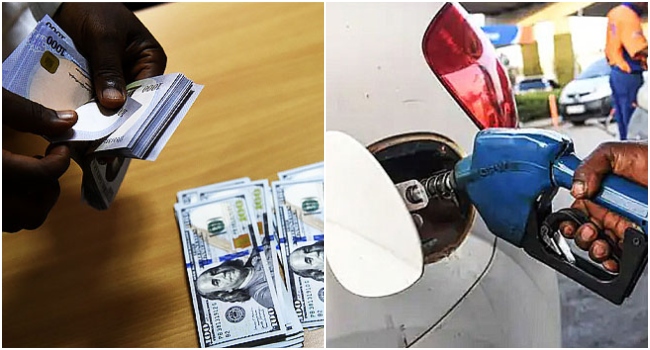

The National Association of Road Transport Owners (NARTO) has credited the stability of the Nigerian naira to the Federal Government’s removal of fuel subsidy and the expansion of the country’s domestic refining capacity.
Speaking during an interview on Channels Television’s The Morning Brief, the National President of NARTO, Yusuf Othman, said that the removal of fuel subsidy significantly reduced foreign exchange pressure due to fuel importation.
“We have all along been clamouring for the removal of subsidies, and it is for the benefit of everybody, including Nigeria,” Othman said on the breakfast show.
“Although we are feeling the pain in our pockets, you’ve noticed that the naira has been stable for a long time. One of the reasons for this stability is the withdrawal of the subsidy and local refining, so there is not as much pressure on the demand for dollars.”
In September 2024, the Dangote refinery, Africa’s largest, started producing petrol in what was a game-changer for the oil-rich country that frequently faces gasoline shortages.
The 650,000-barrel-a-day refinery built by Nigerian billionaire Aliko Dangote began producing diesel and aviation fuel in January of that year. The country has had to rely on costly gasoline imports to keep cars running because it lacks refineries.
Othman’s comments come amid broader debates about the removal of the fuel subsidy.
The Federal Government announced the removal of the fuel subsidy during the inauguration of President Bola Tinubu in May 2023. Following the development, the cost of the essential commodity moved from about ₦200 per litre to around ₦1,300, depending on the location.
Opposition politicians have demanded a reversal of the policy, blaming it for the high cost of living and inflation in Nigeria.
Leading the pack is the presidential candidate of the African Democratic Congress (ADC), Atiku Abubakar, who promised to return the fuel subsidy if elected as Nigeria’s leader in the January 2027 poll.
While Peter Obi of the Nigeria Democratic Congress (NDC) differed, the former Anambra State governor said his government, if elected, will ensure funds from the subsidy removal are used judiciously.
But the Federal Government says there is no going back on the policy, arguing that it would reverse economic gains made in the last three years.
It said the removal of the fuel subsidy has put more money into the government coffers, and as such, states can fund infrastructure development and also carry out other duties.
For human rights lawyer Femi Falana, since Nigeria is “making more money” now, Nigerians should demand accountability from their leaders.
“Yes, state governments are getting more money. The Federal Government is getting more money. Local governments are getting more money on paper. It is the duty of the Nigerian people now to demand accountability,” the 68-year-old activist said on Channels Television’s Sunday Politics.
STAY INFORMED
NAIJA CONNECT
Every week, discover the stories of progress at home and excellence around the world.
Channels Television
Get our top curated news and video highlights
Follow on WhatsApp
Channels Television
Join our official Telegram feed for real-time news updates
Join on Telegram