Oil prices extended gains and stocks stuttered Tuesday as a US-Iran deal to reopen the Strait of Hormuz remained distant, a day after the deadline for a truce between the foes expired.
While soft US data this month has eased concerns that the Federal Reserve will hike interest rates soon, traders still expect inflation to remain high for some time as the Middle East crisis continues and crude stays stuck around $90 a barrel.
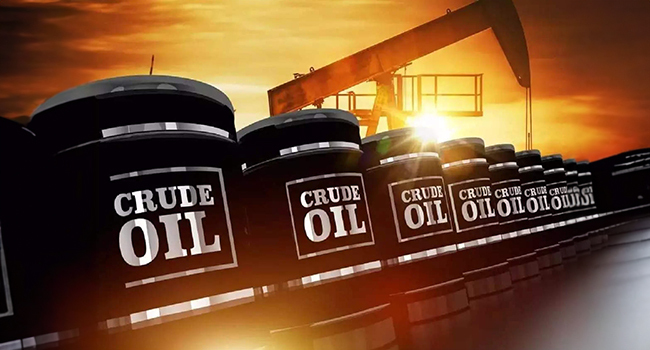
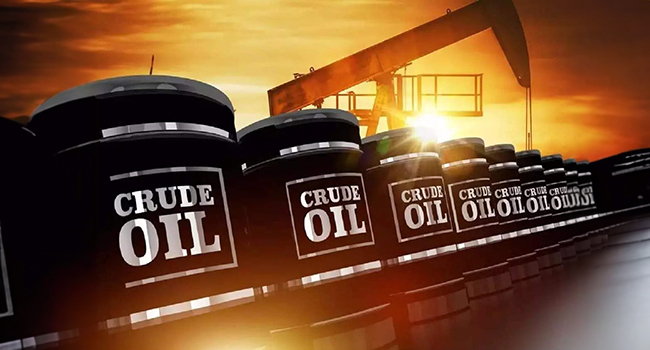
Brent crude futures edged up 0.4% to $91.20 a barrel as a rally in oil prices extended into a third consecutive day in Asian trade.
That has pushed up long-term Treasury yields to levels not seen since June 2007 — just before the global financial crisis exploded — compounded by rising US borrowing and massive corporate bond issuance to fund AI investments.
The chances of an agreement between Washington and Tehran remain thin after Donald Trump said he would not extend a 60-day truce — part of a June memorandum of understanding — and Iran called it “irrelevant” because the US had violated it early on.
The US president’s envoy and son-in-law Jared Kushner said the two sides were having “very positive and active conversations” but noted that “there’s really not a lot of trust between America and Iran after all these years”.
“President Trump is going to be very patient… he doesn’t want to rush to a deal,” he told Fox News.
“He’ll make the right deal when the right deal is ready,” he added.
Earlier, Trump said Iranian officials “want to make a deal, but they’re not going to make the kind of a deal that I feel is necessary”.
He also threatened to bomb Oman if it “gets in the way” of an agreement, referring to ongoing talks between Muscat and Tehran on control of the waterway.
Washington appears happy to play a long game, which investors fear could mean prices will stay higher for some time.
Treasury Secretary Scott Bessent threatened last week to hit Tehran with economic isolation “like the world has never seen before”, adding that new measures were expected next week.
That came after Trump had said “we are low-keying it”, adding that “we are just watching Iran with its huge inflation and the fact they have no money”.
Both main crude contracts rose Tuesday, following gains of more than two percent the previous day, with Brent sitting above $91.
Equities were mixed.
Seoul rallied more than two percent in early trade as it reopened after a long weekend, but pared the gains, while Sydney, Wellington and Jakarta also rose.
However, Tokyo, Hong Kong, Shanghai, Singapore, Taipei and Manila were all down.
“For weeks, investors had been willing to treat the Iran war, oil volatility and the pressure building in the long end of the Treasury curve as separate irritants,” said Stephen Innes, global strategist at Quintex Intel.
“Diplomacy was supposed to contain the geopolitical risk, oil was supposed to remain manageable, and strong earnings were supposed to keep the equity engine turning.
“That calculus becomes less comfortable once those risks begin to converge.”
READ ALSO: Oluremi Tinubu To Launch Food Bank Programme In Ogun
Key Figures At Around 0230 GMT
Tokyo – Nikkei 225: DOWN 1.6 per cent at 68,098.54 (break)
Hong Kong – Hang Seng Index: DOWN 0.6 per cent at 25,296.50
Shanghai – Composite: DOWN 0.2 per cent at 3,975.89
West Texas Intermediate: UP 0.6 per cent at $84.99 per barrel
Brent North Sea Crude: UP 0.4 per cent at $91.22 per barrel
Euro/dollar: DOWN at $1.1577 from $1.1579 on Monday
Pound/dollar: DOWN at $1.3542 from $1.3545
Dollar/yen: UP at 159.49 yen from 159.46 yen
Euro/pound: DOWN at 85.49 pence from 85.50 pence
New York – DOW: DOWN 0.5 per cent at 53,459.78 (close)
London – FTSE 100: DOWN 0.3 per cent at 10,720.30 (close)
AFP