South Korea’s parliament passed a bill Thursday that paves the way for $350 billion in US investments under a deal struck with Washington last year to avoid the worst of President Donald Trump’s tariffs.
The countries finalised an agreement in November under which Seoul pledged a huge investment package, including $150 billion for shipbuilding cooperation and the remainder for strategic sectors such as semiconductors.
The bill’s passing comes after Washington launched new probes Wednesday into alleged unfair trade practices by countries, including South Korea, potentially opening the door to additional tariffs.
The deal struck last year was agreed in exchange for a reduction of tariffs on South Korean exports from 25 per cent to 15 per cent under Trump’s widespread levies.
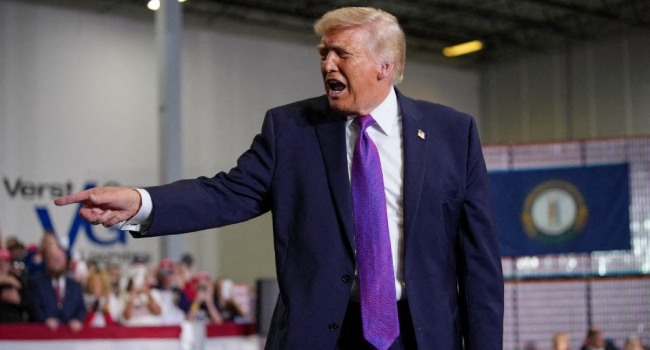
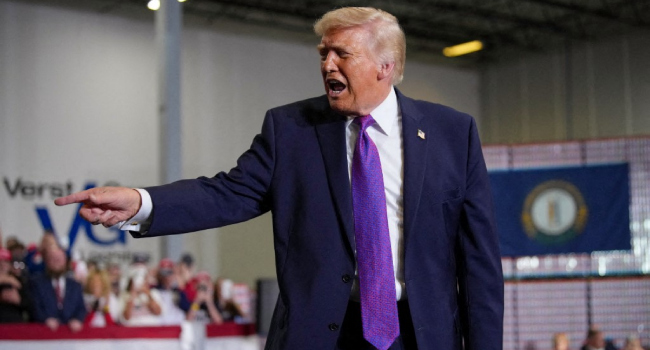
But Trump wrote on social media in January that he would raise the rate back to 25 percent, saying the South Korean parliament was “not living up to its Deal with the United States” in failing to pass the investment bill.
Trump’s warning expedited the bill being put to a vote by lawmakers in parliament.
The bill easily passed in a vote supported by the ruling Democratic Party and main opposition People Power Party, by 226 votes to eight.
President Lee Jae Myung thanked MPs for passing the bill “for the sake of our economy and national security”.
“With the passage of the special bill, the institutional and legal foundation has now been established to implement the South Korea-US tariff agreement,” he added.
READ ALSO: War: Nigeria LNG Cargo Diverted Again As Asia Scrambles To Replace Shortages
Earlier Thursday, Lee’s office said Seoul will make efforts to ensure South Korea is “not placed at a disadvantage compared with other major countries” after Washington announced the trade practice probe.
The move came after the US Supreme Court struck down Trump’s global tariffs, saying he had exceeded his authority in invoking emergency economic powers to impose them on virtually all countries.
The US leader has since tapped a different law to impose a new 10-per cent duty, and vowed to raise this level to 15 per cent.
Trump’s sector-specific tariffs on goods like steel, aluminum, and autos, however, remain unaffected by the Supreme Court’s ruling.
AFP