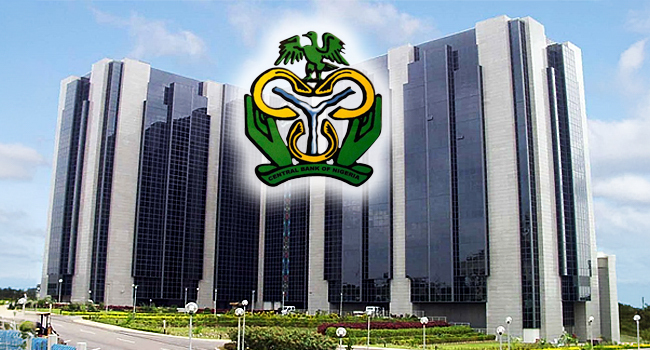

The Central Bank of Nigeria (CBN) has disclosed that 30 banks have met the new minimum capital thresholds introduced under its ongoing banking sector recapitalisation programme.
The update was contained in a statement issued on Friday by the Acting Director of Corporate Communications at the CBN, Hakama Sidi-Ali.
The update followed the earlier announced 20 banks ahead of the March 31 deadline, raising a combined total of N4.05 trillion.
According to the apex bank, the recapitalisation drive, which began in 2024, is progressing across the industry as financial institutions strengthen their capital bases through various fundraising strategies.
The statement read, “As of March 6, 2026, the recapitalisation exercise is progressing steadily. Thirty (30) banks have met the new minimum capital requirements applicable to their respective licence authorisations. In total, thirty-three (33) banks have raised additional capital through rights issues, initial public offerings (IPOs), and private placements as part of the programme.”
The regulator noted that lenders have approached the capital market and other funding channels to meet the revised requirements introduced under the policy.
While several banks have already achieved the required capital levels, the CBN said the remaining institutions are currently undergoing routine supervisory checks before their compliance is formally confirmed.
“The capital positions of the remaining banks are currently undergoing the Central Bank’s routine verification process ahead of final confirmation of compliance within the recapitalisation timeline,” the statement added.
The verification process, according to the regulator, forms part of its supervisory mandate to ensure that funds raised by financial institutions meet prudential standards and regulatory requirements.
The recapitalisation programme was introduced in 2024 as part of broader reforms aimed at strengthening Nigeria’s financial system and positioning banks to better support economic growth.
Under the framework, banks were required to raise fresh capital to meet revised minimum thresholds based on the type of licence they hold.
The CBN explained that the policy forms part of ongoing efforts to strengthen the resilience and long-term stability of the banking system.
It also aims to ensure that financial institutions maintain stronger capital buffers capable of absorbing economic shocks while supporting lending to businesses and households.
READ ALSO: Queues Resurface At MRS As Marketers Hike Petrol Above ₦1,000 Per Litre
Despite the ongoing adjustments across the sector, the regulator maintained that Nigeria’s banking system remains stable.
“The CBN reiterates that the Nigerian banking system remains stable and sound. The recapitalisation programme remains firmly on track and will further strengthen the capacity of the banking sector to support households, businesses, and sustainable economic growth,” the statement noted.
The apex bank further assured stakeholders that it would sustain close regulatory oversight throughout the recapitalisation process.